A student-led collaborative public history project exploring institutional identity, integration, & community memory at the University of New Orleans
About the Project
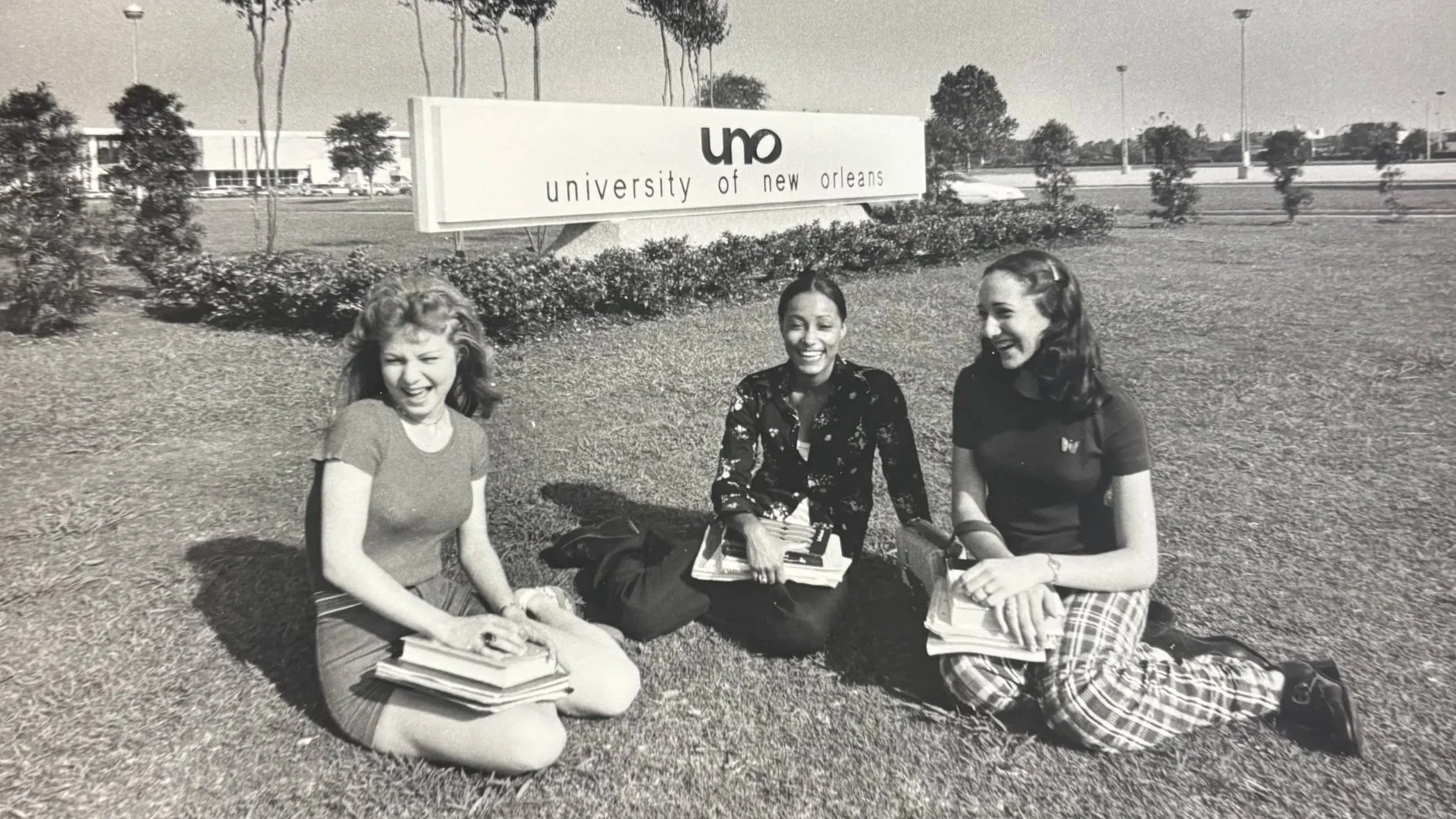
This project examines how the University of New Orleans has remembered, narrated, and lived its early history, especially during its formative decades from 1958 to 1989, when it transitioned from Louisiana State University at New Orleans (LSUNO) to the University of New Orleans.
It investigates how institutional identity was constructed and reshaped over time through stories, documents, voices, and collective memory, and how those narratives are shaped by race, power, and social context. Integration is part of this history, but it is not the only lens through which experiences of campus life, belonging, and institutional change unfolded.
By bringing community perspectives into conversation with archival materials and public narratives, the project invites reflection on how histories are constructed, how meaning changes when memory is shared, and how different voices help shape collective understanding of who the university has been and who it is becoming.
The UNO Community Memory Project Blog
Phase 1: Oral History Interviews
The project began with recorded oral history interviews with members of the University of New Orleans community. Alumni, students, faculty, and staff were invited to share their memories of campus life and the university’s early decades.
January - April, 2026
Phase 2: Community Voice Memos (Ongoing)
To include as many voices as possible, the project now invites members of the UNO community to share short recorded voice memos.
Participants can contribute reflections, memories, or impressions about their experiences with the university. These recordings expand the range of voices included in the project and allow participation from people who may not be able to take part in a full oral history interview.
This phase remains open and ongoing.
Phase 3: Collaborative Interpretation
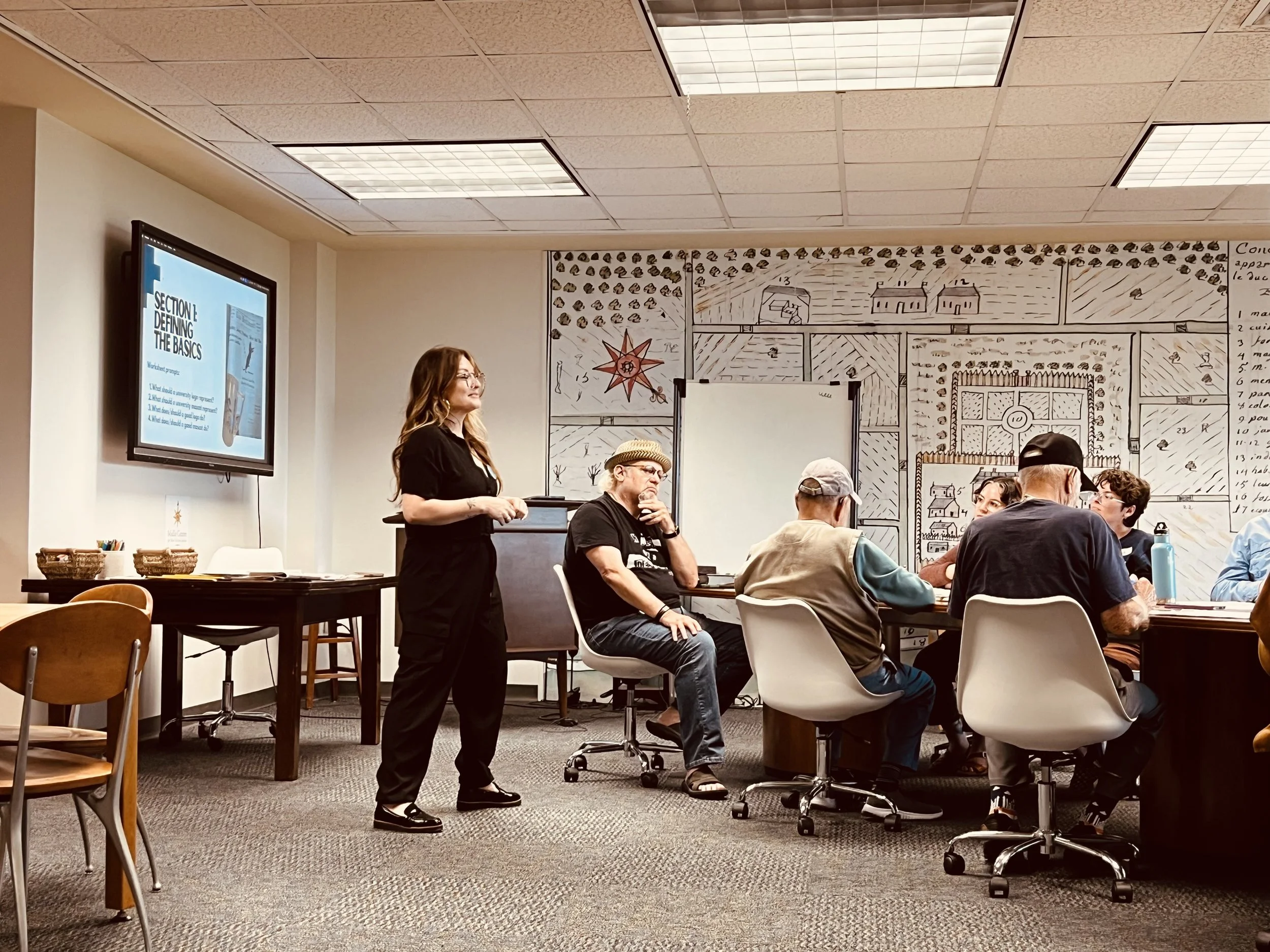
In collaborative interpretation sessions, participants reflect on themes emerging from interviews and archival research.
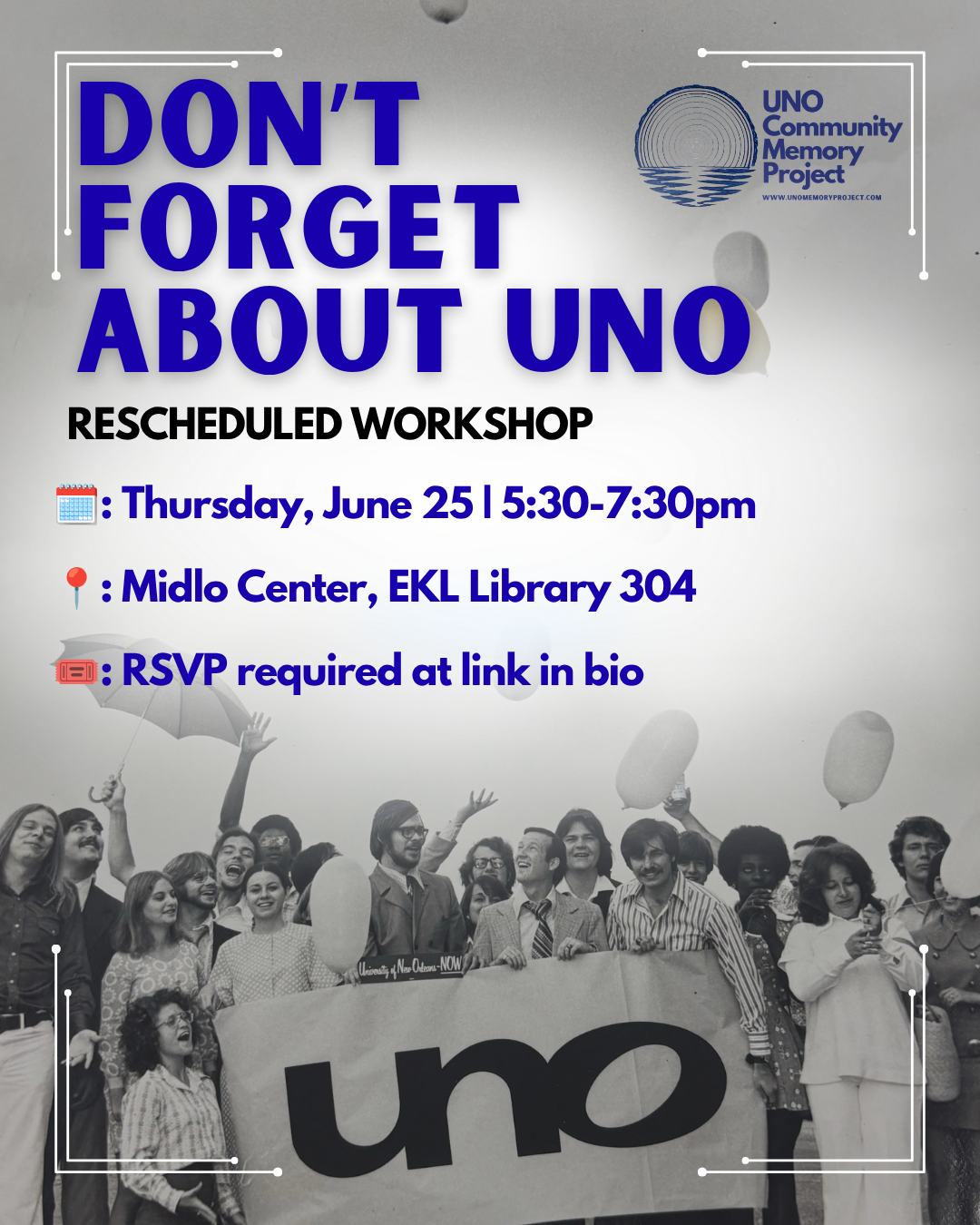
These small-group discussions create space for members of the UNO community to consider how the university’s history has been remembered, what stories feel missing, and how different experiences shape understanding of the past.
Launching Spring 2026
Phase 4: Public History & Shared Memory
The final phase of the project focuses on sharing these materials with the broader community.
Insights from interviews, voice memos, and collaborative interpretation will inform public-facing resources such as digital storytelling, exhibits, and other interpretive materials. The goal is to create a richer and more inclusive account of the university’s history that reflects the experiences of the people who shaped it.
Get involved
-
We are collecting voice memos sharing your UNO memories! The process is free, easy, & secure. Click here to learn more and submit yours.
-
LAUNCHING SPRING 2026
Take part in a small-group discussion where participants reflect together on themes emerging from interviews and historical materials. These sessions focus on shared interpretation and last about 90 minutes. Pizza and light refreshments provided. Participation is always optional, and you may choose how much you wish to share. Interested in signing up? Contact us below. -
Stay connected by following our project blog. Updates may include reflections from the research process, upcoming opportunities to participate, and information about public-facing materials created through the project. You can follow along without any obligation to participate.
-
Have a memory, question, or thought you’d like to share? Click here to submit your feedback.
About the Researcher
Amanda Mester-Brown is a Justice Studies doctoral researcher, college professor, and media scholar based in New Orleans. Her research focuses on institutional memory, identity, and public narration, using archival research, oral history, and collaborative public history methods. She is also a published journalist and the author of a textbook chapter about social justice nonprofits, with a professional background in music, media, communications, and cultural work.